House rewiring
House rewiring in Point Chevalier
Most of Point Chevalier's houses went up between the 1920s and the 1940s. We rewire them a circuit at a time or all at once, for owners who want wiring that matches the way the house is used now.
Wiring that grew up with the street
Point Chevalier joined Auckland City in 1921 partly to get services such as electric power and the tramway, and the trams reached the end of the point in 1930 with a substation built to run them. The houses went up over the same years. Bungalows filled the Liverpool Estate streets through the 1920s, and by 1940 the Pasadena Estate around Premier Avenue and Riro Street was fully built out with bungalows and state houses.
Many of those houses have changed a good deal since. Auckland Council's heritage survey noted a rise in rooftop additions across the suburb, and kitchens, bathrooms and lean-tos get moved and rebuilt, each change bringing new cable that has to join the old somewhere. So the wiring in one Point Chev bungalow can run from the 1930s to last year, sometimes on the same circuit. Rewiring well starts with finding out which parts are which, and our fault finding work uses the same testing.
What we look for in an older house
Before quoting a rewire we look at the cable itself, in the ceiling space, under the floor and at the board. BRANZ's guidance on electrical services in existing houses names the warning signs we check for:
- fuses on the main board, with rubber-sheathed wiring run in metal conduit, which is likely to be unsafe and should be replaced;
- early tough plastic sheathed (TPS) cable whose sheath and insulation have deteriorated;
- three-plate lighting circuits, where the cable loops from one light fitting to the next and the phase conductor at the fitting stays live even with the light switched off.
Three-plate wiring is worth knowing about if you change your own light fittings, because switching the light off does not make the fitting dead.
Power points where you use them
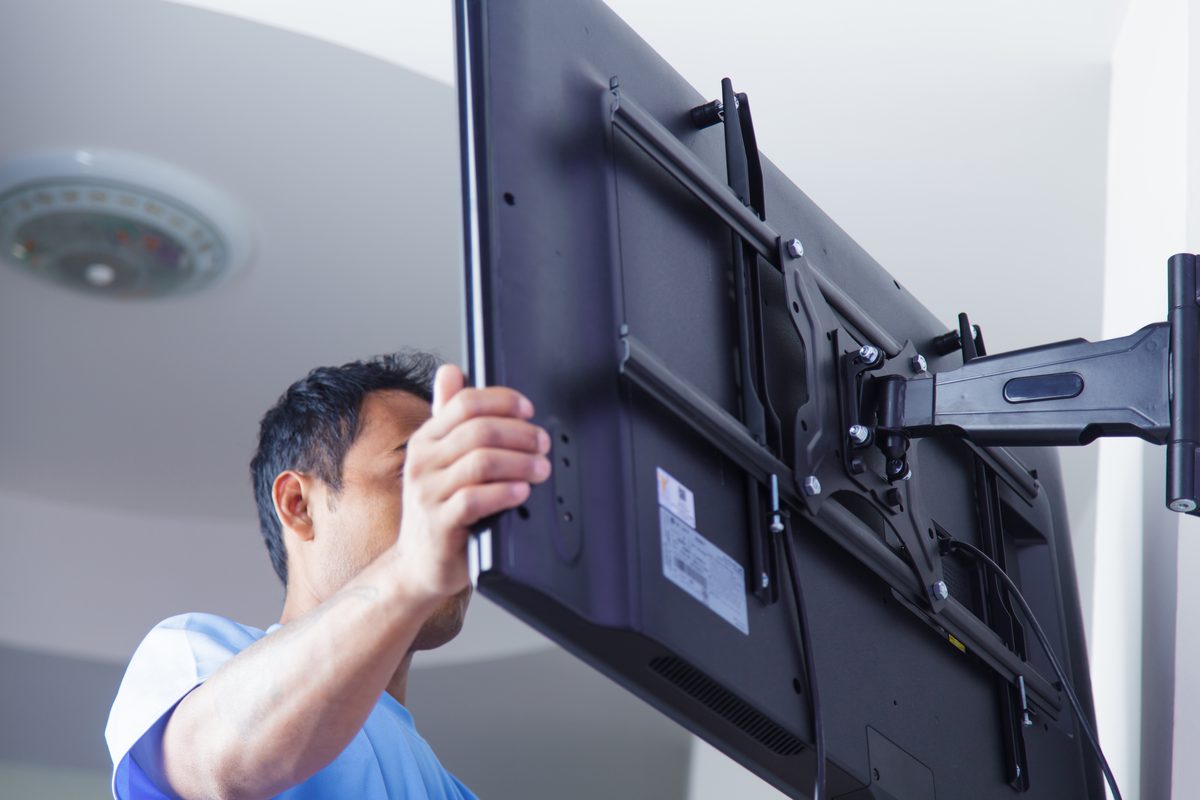
WorkSafe points out that wiring in older homes was never designed for the number of appliances people run today. In a bungalow that shows up as power boards behind the couch, extension leads across the hall and one double socket in a bedroom. A rewire is the moment to put outlets where the furniture actually sits: behind a wall-mounted TV, beside the bed, along the bench and in the room that has become an office.
Plan for what you will need in the next few years as well as now. Data points and the TV wall are easiest to wire while the linings are open.
How a rewire runs
Look and test
We inspect the board, the ceiling space and the underfloor, and test the circuits you use most.
Agree the scope
You hear what we found and what we recommend, and you choose how much is done and in what order.
Rewire
New cable is run room by room, and we talk through how the work will affect living in the house while it happens.
Test and certify
Everything is tested before it is handed over, with a Certificate of Compliance for the new fixed wiring. Keep it with the house papers: it can matter for insurance and when you sell.
Rewiring questions from Point Chev owners
We are buying a bungalow on one of the bird streets. Should the wiring be checked first?
WorkSafe recommends having a licensed electrician or inspector check the wiring before you buy, and asking the vendor for the Certificates of Compliance for any electrical work done. In a house of that age, the check tells you whether a rewire belongs in your budget.
Does a rewire mean taking the house apart?
Not usually. In a single-storey house much of the new cable can be run through the ceiling space and under the floor, with small openings in the walls where outlets and switches go. Walls with no access, or a rooftop addition, can take more work.
Our state house has had bits of rewiring over the years. Do we need a full rewire?
Maybe not. If earlier work was done properly and tests well, it can stay, and only the older circuits are replaced. Testing tells you which situation you are in.
Will the new wiring come with a certificate?
Yes. New fixed wiring is prescribed electrical work, so it is tested and comes with a Certificate of Compliance.
Does a rewire have to be inspected?
Rewiring the circuits is general prescribed electrical work, which does not need an inspection. If the job also includes a higher capacity main switchboard, moving the board with changes to the mains, or other work on the mains, that part is high-risk and is inspected by a licensed electrical inspector, which we arrange.
Talk to us about rewiring your house
Call 021 156 4005 or send the details below, and tell us the age of the house if you know it.
More electrical work in Point Chev
Switchboard upgrades
Old fuse boards replaced with modern boards, circuit breakers and RCD protection, with the inspection mains work needs.Fault finding and repairs
Tripping circuits, flickering lights, dead sockets and warm plugs traced to their cause and put right.Emergency call-outs
Electricians available for call-outs 24 hours a day, 7 days a week when something electrical fails.LED and outdoor lighting
LED downlights, kitchen and living room lighting, and garden and outdoor lights for the section.Heat pump installation
Heat pumps wired in on their own circuit, with the indoor and outdoor units placed to suit the house.Shops and commercial
Electrical work for the shops and businesses along Point Chevalier Road and Great North Road.Enquiries
Contact us
Call 021 156 4005 at any hour, or tell us about the job below and we will get back to you.
021 156 4005- Auckland
- Call-outs around the clock, every day of the week